
Inayat Khan’s Sufi Path
Welcome to Sufi Circle Canada Chronicles, featuring new articles, and revisiting earlier pieces published in the Heart to Heart Newsletter.

IN THIS ISSUE we republish an article by Kuan Yin Cindy Pujos-Michel with added material from David Murray. This article was originally published in Heart to Heart, Fall 2020. In the UPDATES section: announcing the launch of Nirtan Sokoloff’s album, Change in the Weather; plus Carole Harmon’s new Substack: Mountain Tales.
Inayat Khan’s Sufi Path
By Kuan Yin Cindy Pujos-Michel
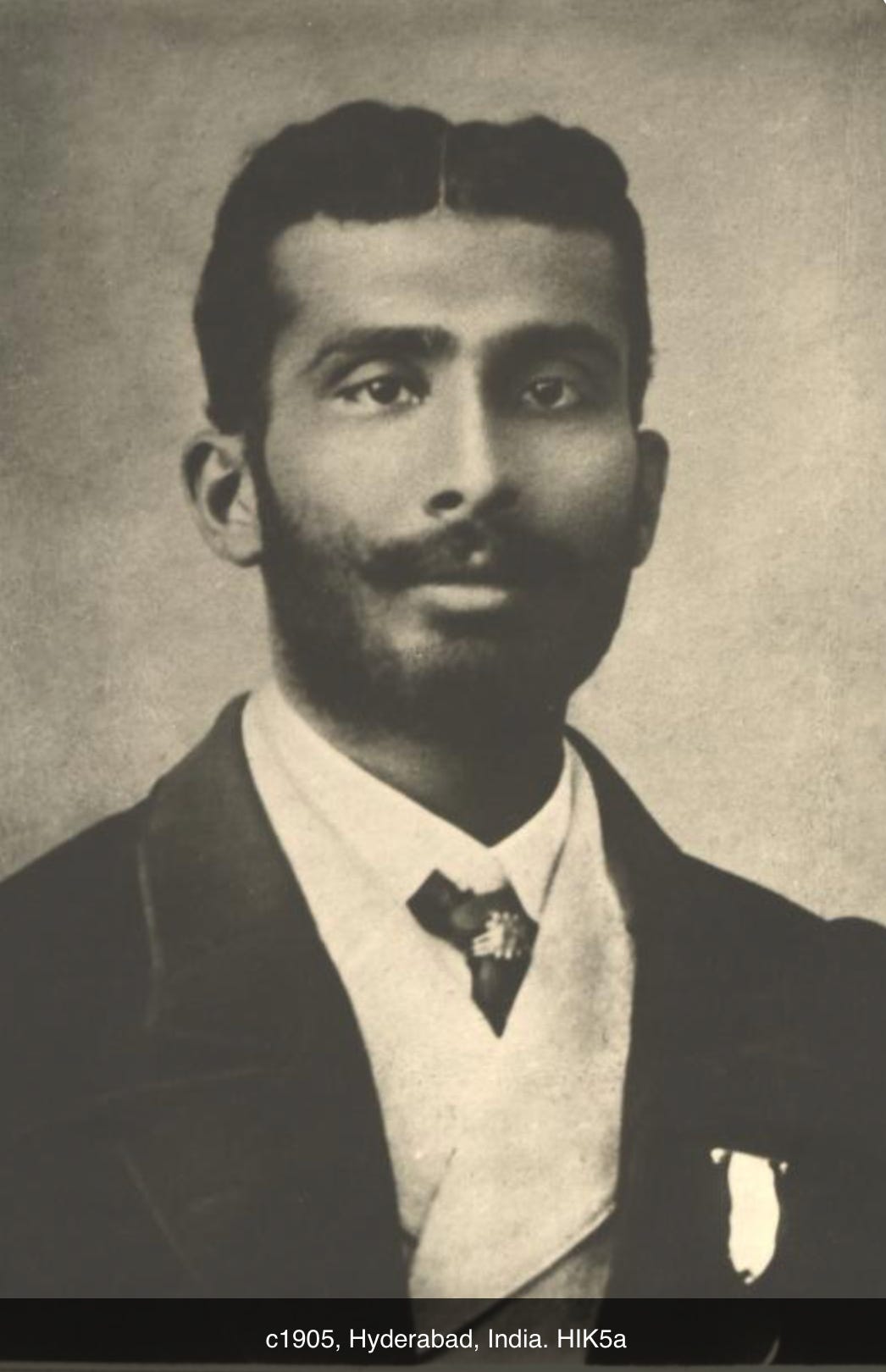
As a young man Inayat Khan’s interest in mysticism attracted him on a deep level to the strange but beautiful life of the Sufi dervishes. “The sweetness of their nature and the innate perfume of their manner of using music and dance as food for the soul,” drew him even closer to them and their ways.*
(Quotations are from The Sufi Message, Inayat Khan, Vol. XII, Confessions, My Initiation in Sufism, p.146-150, except for * Vol. XII, My Interest in Sufism. p. 140-145.)
Among them were the madzubs who were, “so absorbed with the inner vision of God that they became unconscious of the external” life around them.* Also at that time Inayat Khan, visited Ajmer and the tomb of Khwaja Moin-ud-Din Chishti, “the most celebrated Sufi saint in India.”* Inayat was so impressed by the beautiful atmosphere of the tomb that he committed himself to a further study of this illustrious path.
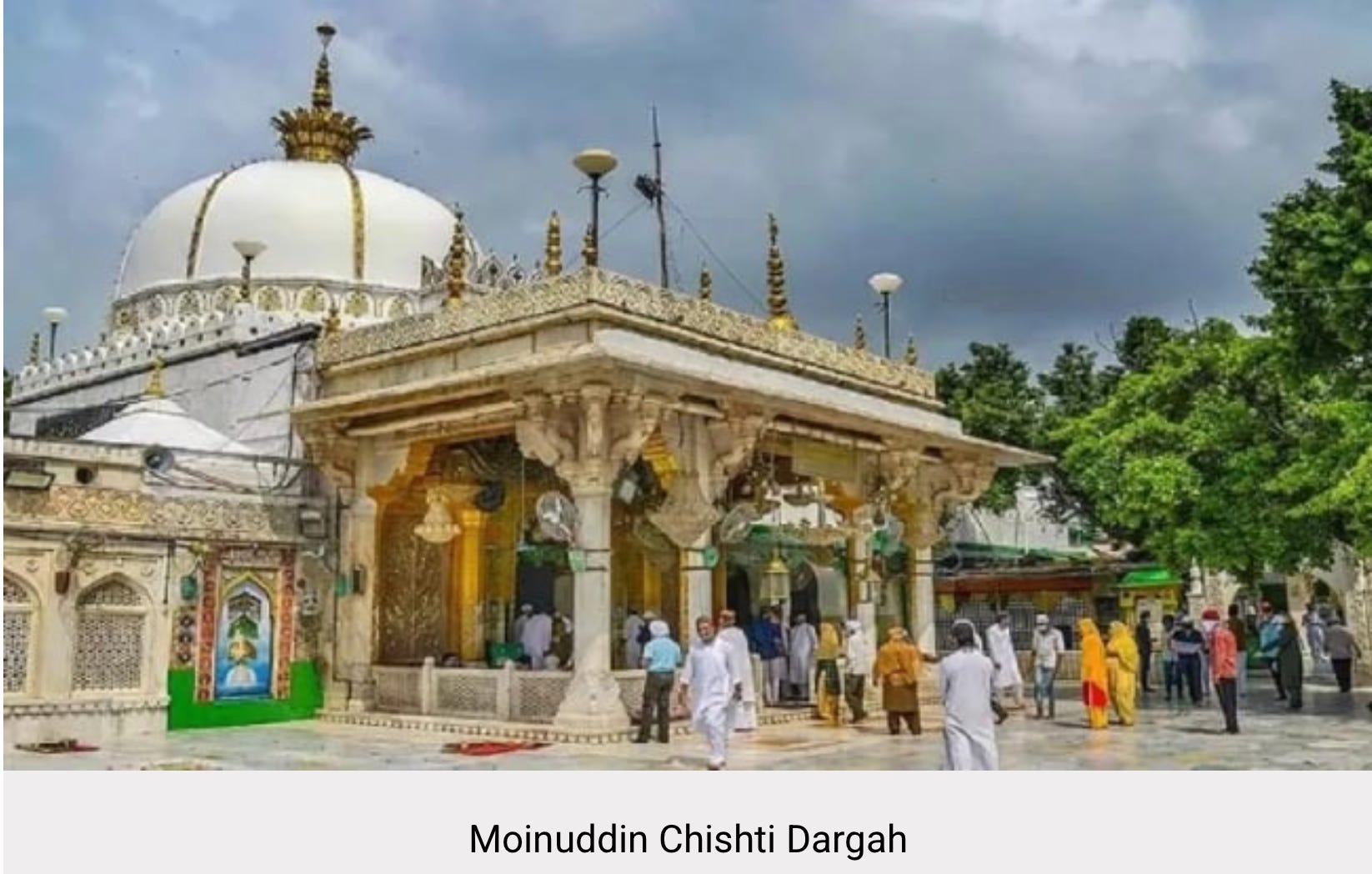
Thereafter he began to have a series of dreams and visions. In one powerful dream he saw, “a great gathering of prophets, saints and sages all clad in their Sufi garments,” and felt himself, “absorbed into their blissful state of ecstasy.”
Again during many of his meditations he took note of “visions of a most haunting and spiritual face, radiant with light.” Seeking clarity on these dreams and visions, he consulted a friend, “a lover of the mystical and begged him for his interpretations.” Inayat reports that his friend answered, “that the dream was a symbol of my inner initiation into the Sufi Order of Chishtia Khandan...while the vision was the image of my spiritual guide and protector.” He counselled Inayat Khan to take initiation as a Sufi.
After six months of searching for a teacher and, upon visiting with an old acquaintance, Maulana Khairulmubin, Inayat Khan writes that he, “confided in Maulana my desire to embrace” the Sufi path. After reflecting on this, Maulana suddenly realized that his friend, a great murshid, was about to visit. They awaited with heightened expectation the arrival of this esteemed teacher.
Suddenly, “the Pir-O-Murshid entered, bringing with him a very great sense of light...I remembered that his was the face which so persistently haunted me during my silence.” When the murshid’s eyes fell upon Inayat, he turned to say, “O Maulana, tell me who this young man may be? He appeals intensely to my spirit.” Maulana Khairulmubin answered, “Your Holiness, this young man is a genius in music and he desires greatly to submit himself to your inspiring guidance.” Inayat writes that, “the Master smiled and granted the request...there and then,” initiating Inayat Khan into the path of Sufi wisdom.
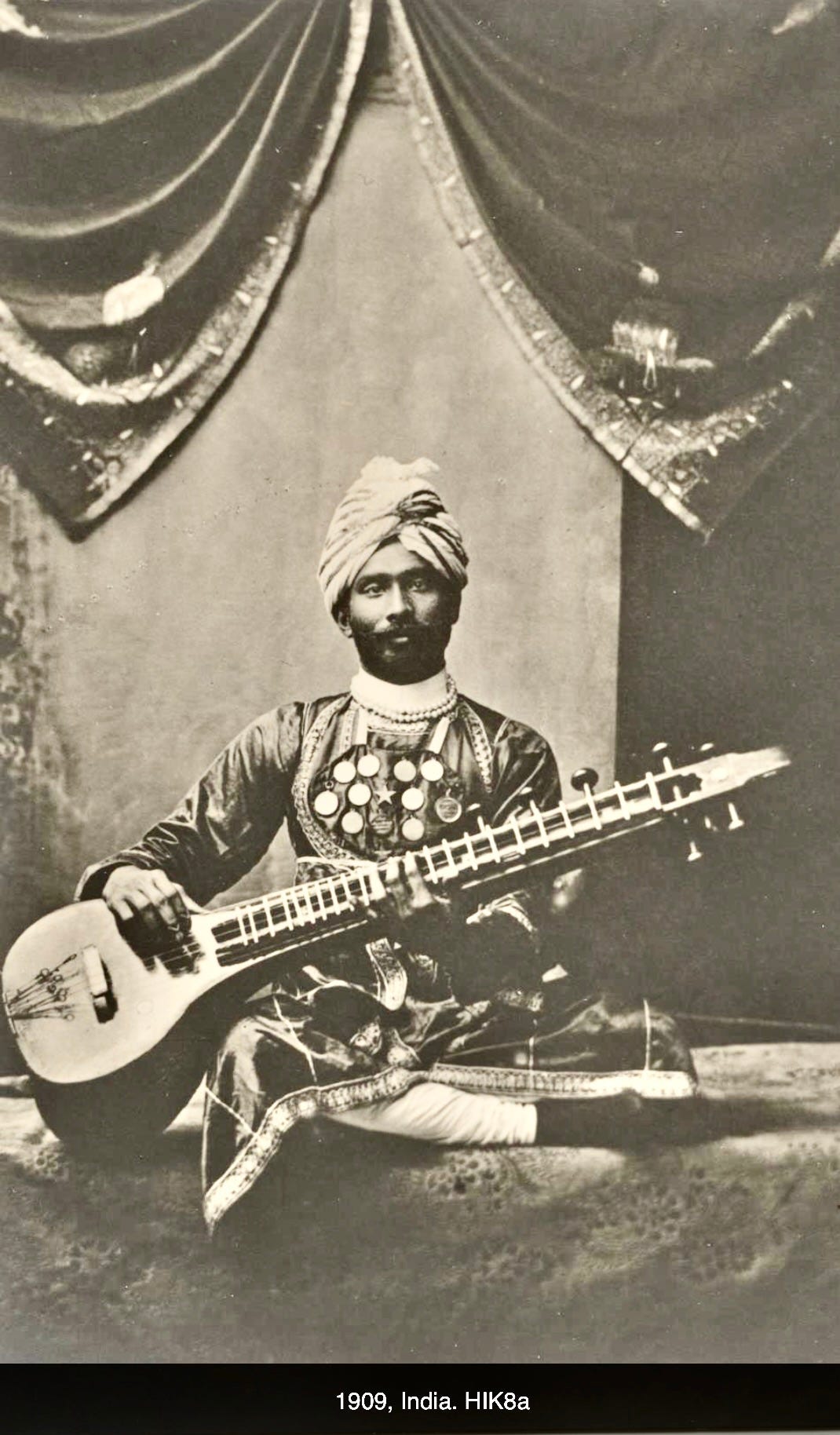
Sayed Abu Hashim Madani, Inayat’s Spiritual Guide
Sayed Mohammed Abu Hashim Madani of Medina was that master and he became Inayat Khan’s most beloved murshid. Inayat writes, “My joy in him was so great that it found its expression in poetry and music. I had at last found my pearl among men, my guide, my treasure and beacon of hope...In him I saw every rare quality, while his unassuming nature and his fine modesty could hardly be equaled even among the highest mystics of the world.” He continues, “His death years later was as saintly as his life had been. I can never forget the words he spoke to me while he placed his hands upon my head in blessing, ‘Fare forth into the world my child and harmonize the East and the West with the harmony of thy music. Spread the wisdom of Sufism abroad for to this end art thou gifted by Allah, the most merciful and compassionate.’”
(Quotations are from The Sufi Message, Inayat Khan, Vol. XII, Confessions, My Initiation in Sufism, p.146-150, except for * Vol. XII, My Interest in Sufism. p. 140-145.)
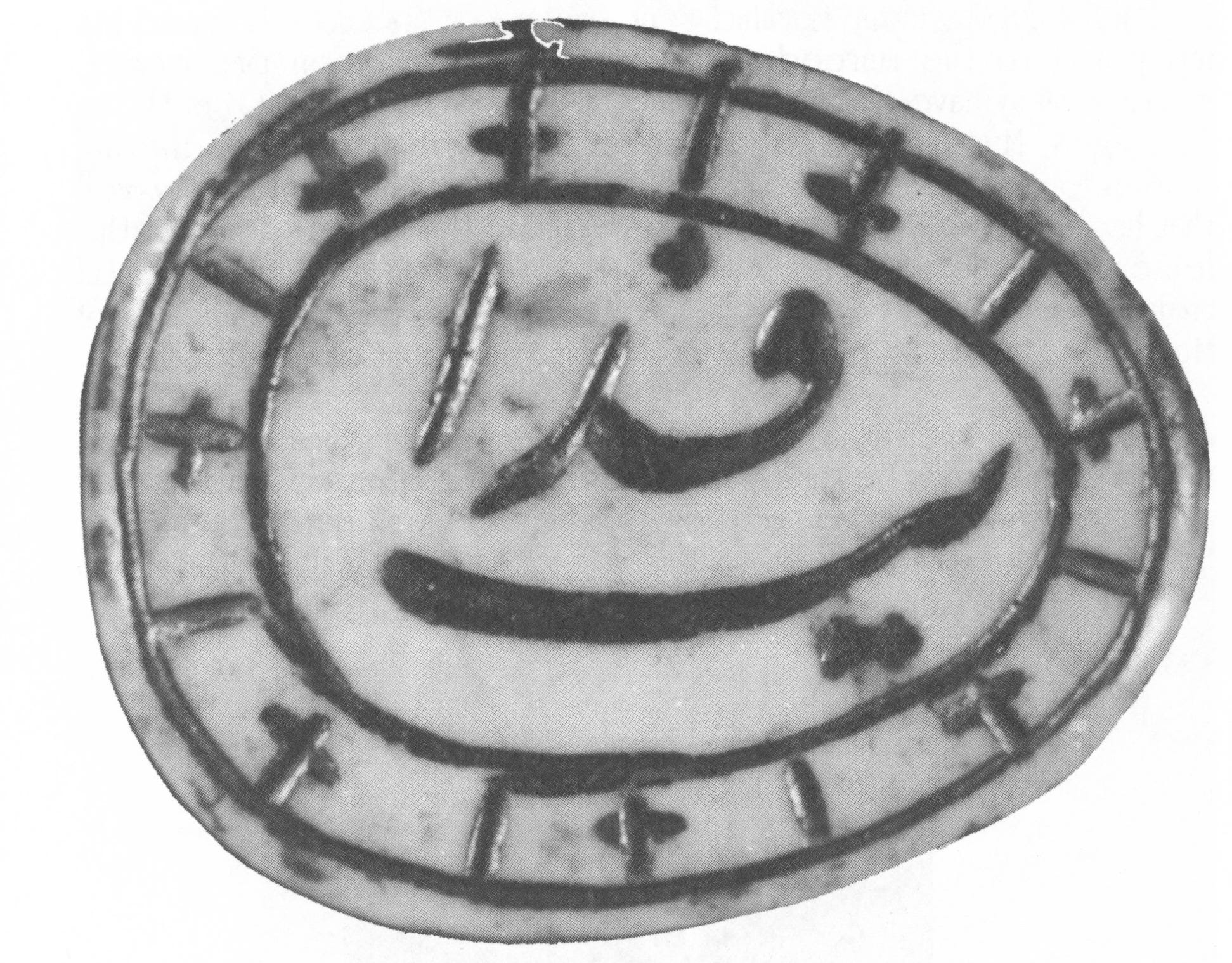
My spiritual teacher, my Murshid, once said, “People say that there are many sins and virtues, but I think there is only one sin.” I asked him what it was, and he said, “To let one breath go without being conscious of it.” Inayat Khan
Murshida Rabia Martin on Murshid Madani
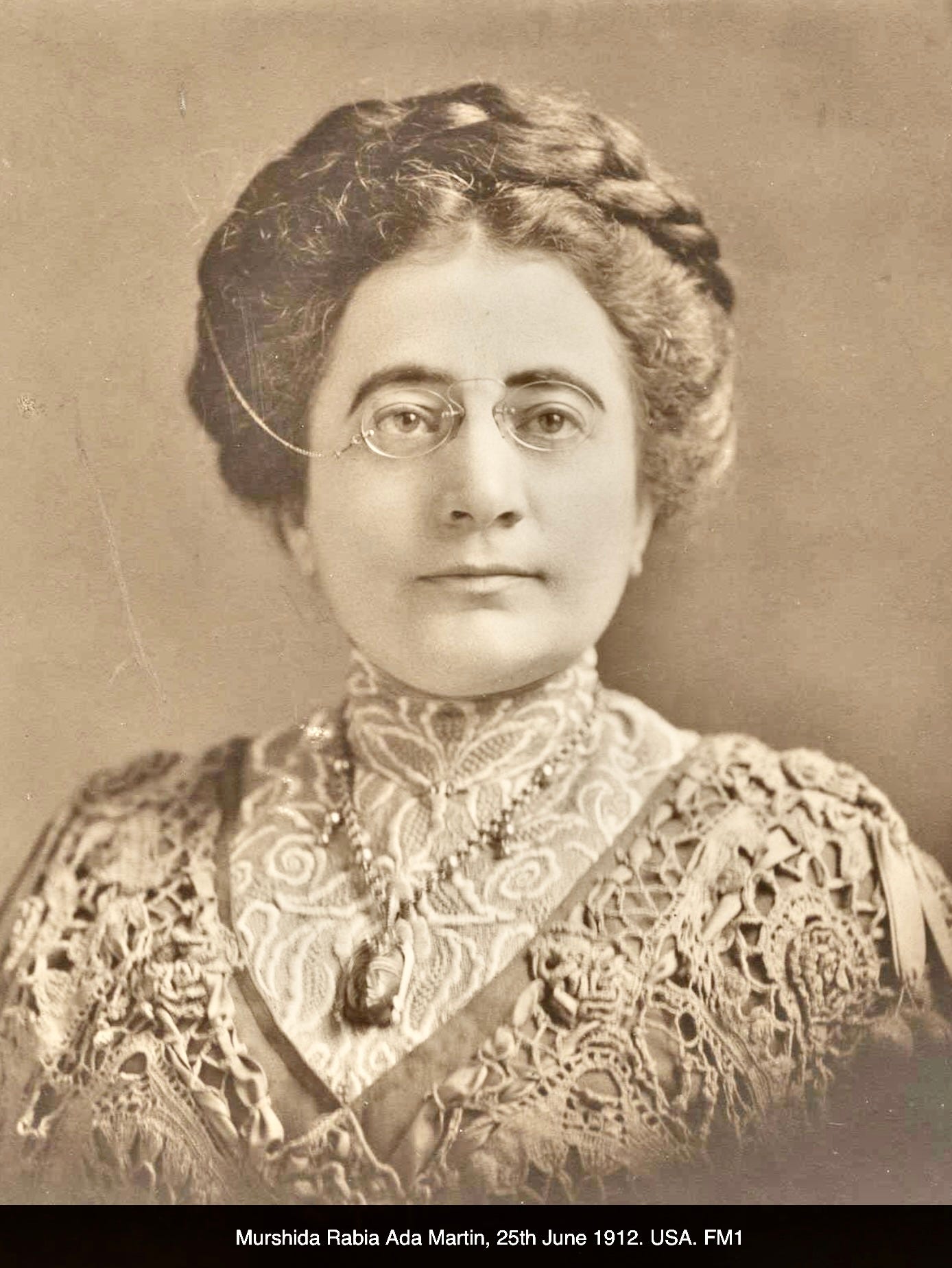
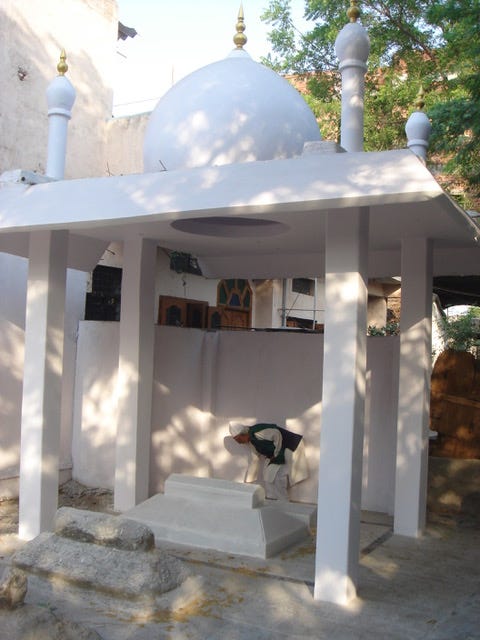
In 1923 after her journey through India, Murshida Rabia Martin (living in San Francisco) wrote: “The blessed Murshid of our Murshid Inayat Khan was Sayed Abu Hashim Madani, who was born in Madras. He was one of the most profound and blessed of sages. His sacred remains are near the Puran Pul (old bridge) in the compound of Mian Paisa Dargah at Hyderabad. There are three tombs there in a row.
“This man was of a very gentle disposition, soft and kindly, yet inwardly powerful. He had an almost hypnotic ability to purify the minds and hearts of all he contacted through his inner purity and perfection of personality.” (from https://wahiduddin.net/mv2/bio/Glossary.html)
The Tomb of Syed Abu Hashim Madani in Hyderabad
SCC Chronicles will present the story of “Discovering Murshid Madani’s Dargah” in a future issue.
The Story of My Mystical Life
A lecture given by Inayat Khan on June 10, 1919
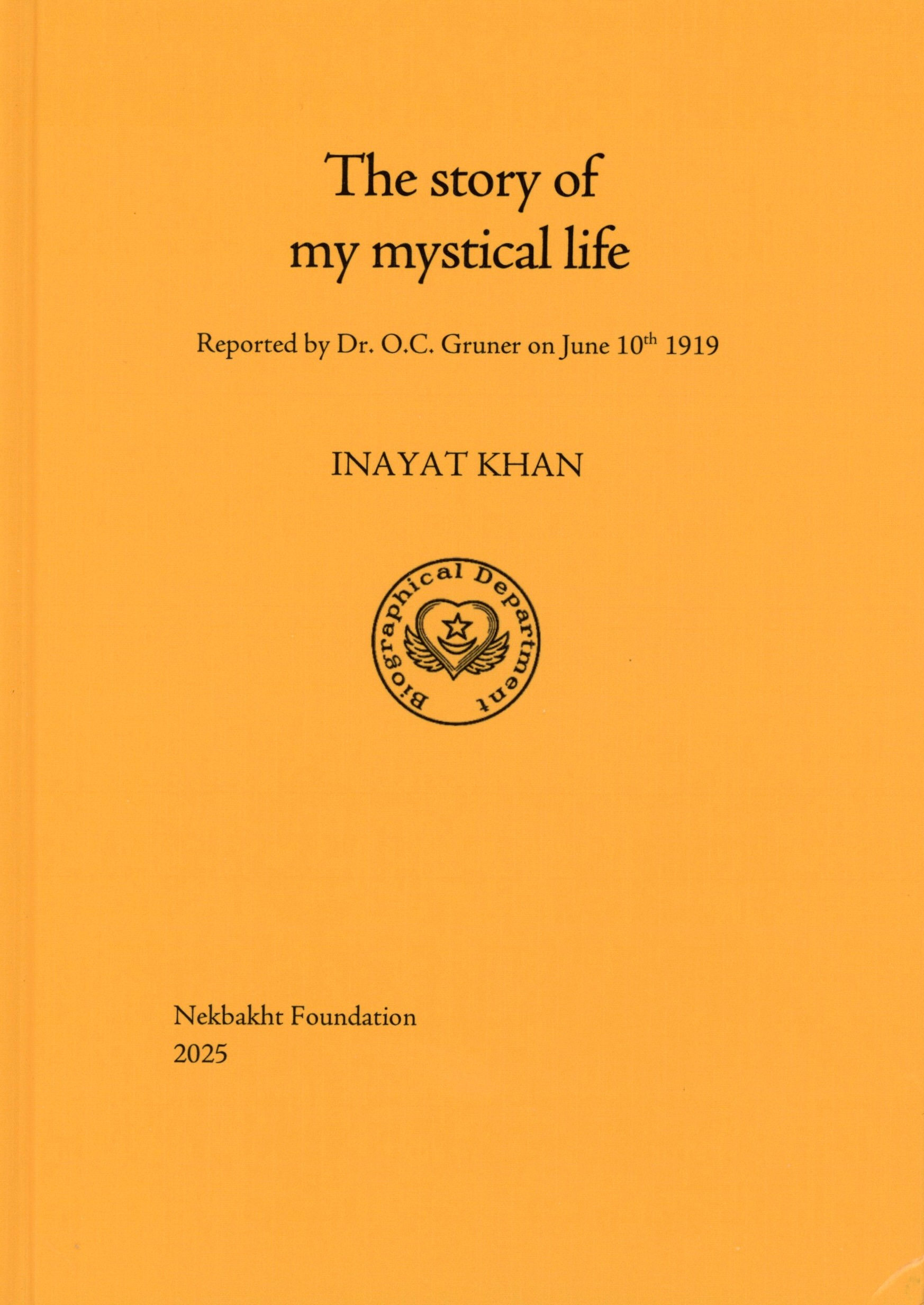
A few excerpts:
“Having been born into a family of musicians and poets of five generations as far as is known, I naturally had a tendency to music and poetry in my spirit. It was expressed rather more intensely in me, being prominent even in childhood to a degree which sometimes amazed, sometimes amused, sometimes surprised, sometimes pleased, but also sometimes frightened my parents…”So, they thought, if I became a poet, what benefit would that be to the family? So, everything was done to hinder the development of that faculty. But, as Sa’adi says: “Every soul is born for a certain purpose, and the light of that purpose is the candle of that soul.” So, it would not have been prevented, whether my parents wished to or even the whole world tried to prevent it. It was an awakening faculty. It was coming to the surface.”
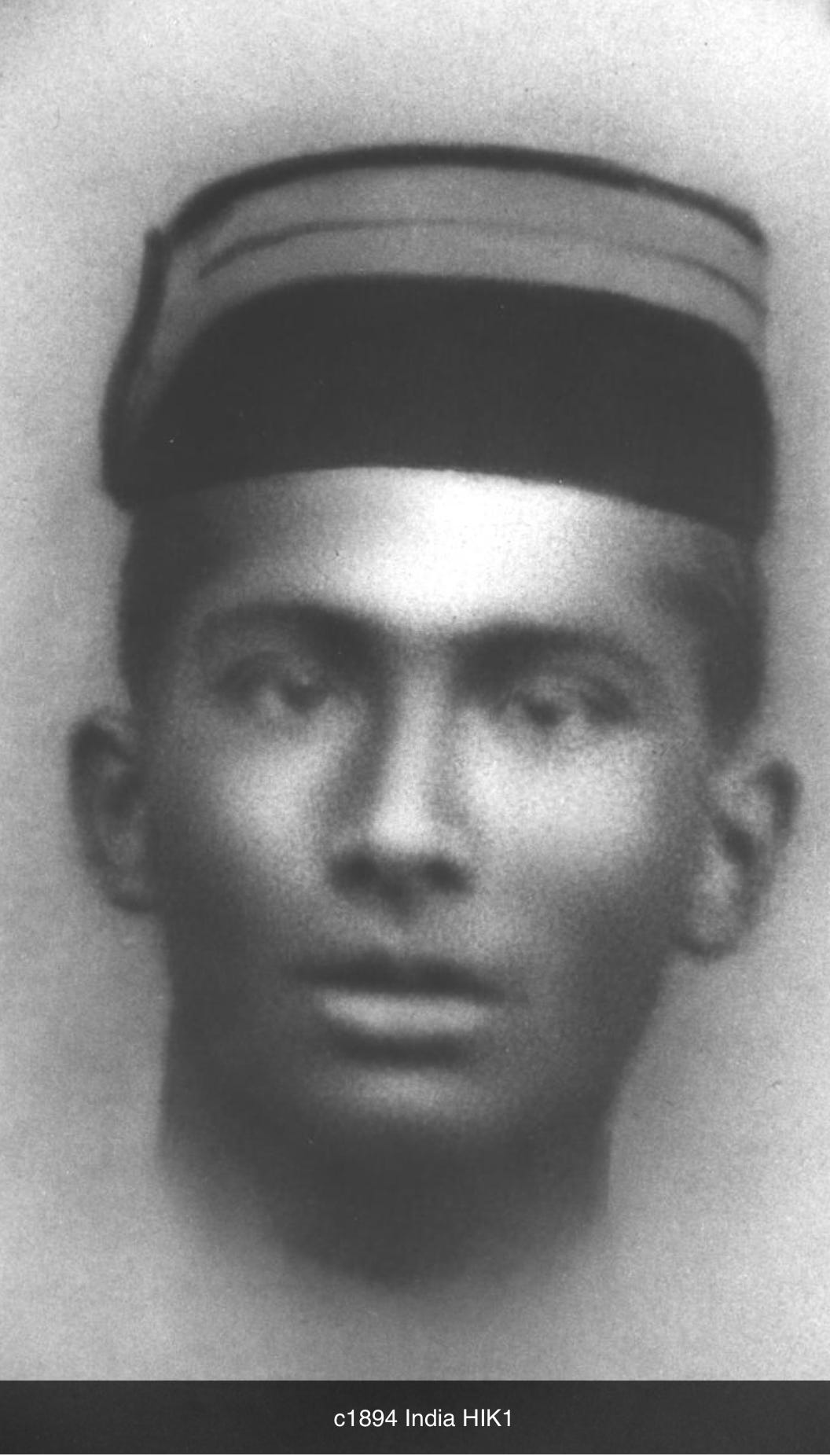
“My grandfather, Moula Bux, according to the custom of renowned Eastern people, had his drawing room open to all visitors. So, with all the great musicians, poets, artists, scientists, learned people and thinkers who came to visit him, the place was like a school. His drawing room was itself a school. Discussions on moral, logic, religion, music, poetry were always going on. Nothing pleased me better than to be allowed to sit there in a corner and listen. They were all so surprised that a lad of this age should choose to sit here instead of playing with other children and their rubber balls. But my grandfather had great understanding and so he allowed me to sit there.”
“…my father took me to Nepal, where he had to fulfil a certain duty to the Maharajah. Actually, it was just an excuse, for when I think over it now, the real reason was to take me to that place. It was meant that I should go to a place where the faculties, which were yet seedlings, might spring up into plants… The openness of Nature made a free way for me to everything. So much freedom in my soul that it could reach up to the sun, the mountains, the hills and the trees. Where there is no one to talk to, no one to trouble you, as one sits quietly listening to the sounds as they fall on the ear. The sounds of the wind, the waterfalls - so that one becomes one with Nature…”
This wonderful book about the early mystical development of Inayat Khan is available for free download online here at Nekbakht Foundation.

UPDATES to May 24, 2026
Please let us know if you have an announcement, news, recollection, or book or music release you’d like to share.
ALBUM LAUNCH: Change in the Weather
Change in the Weather is the name of the latest album of music by (Nirtan) Carol Sokoloff. Recorded in Nashville with Music City’s finest musicians, the CD offers thirteen original songs, some recent and some decades old, all with an accessible roots flavour. The album will be released on streaming platforms, including You Tube, on May 29th, 2026. It is also available as a physical CD, which can be ordered from Nirtan (casjazz@icloud.com) or from Bandcamp. You can pre-order the album now on Spotify or Bandcamp.
The Bandcamp site above offers a few previews of music, plus has all the lyrics to the songs and some short descriptions.

Nirtan will do a launch event in Victoria on Saturday, May 30th. More information is available HERE. She also hopes to perform in other centres in the upcoming months – and welcomes invitations.
Included in the album is Lake O’Hara Blues, which many will remember from Lake O’Hara Sufi camp as well as songs like Free Spirits, Catch a Rising Wave, Into the Light, Walk Together Again, Sweet Wind, Thankful and We Are One – all with an affirmative message! Sweet Wind was written for an anniversary of the 1986 wedding of Nirtan and husband Shams Richard Olafson, who will celebrate the 40th anniversary of their Lake O’Hara wedding this June 14th.
With both toe-tapping and soulfully nostalgic original songs plus extraordinary performances by amazing Nashville musicians, Change in the Weather promises a rich and rewarding listening experience!

Hear short previews of all tunes at this link which will also has connections to all the places you can hear or get the album. In these days of streaming and social media, you can help this music take flight by spreading the word, sharing links or playlisting the songs from Change in the Weather.
Another way to ’spread the Message of Love, Harmony & Beauty’.
Here’s a song preview:
Thankful… words and music by Carol Sokoloff (SOCAN)
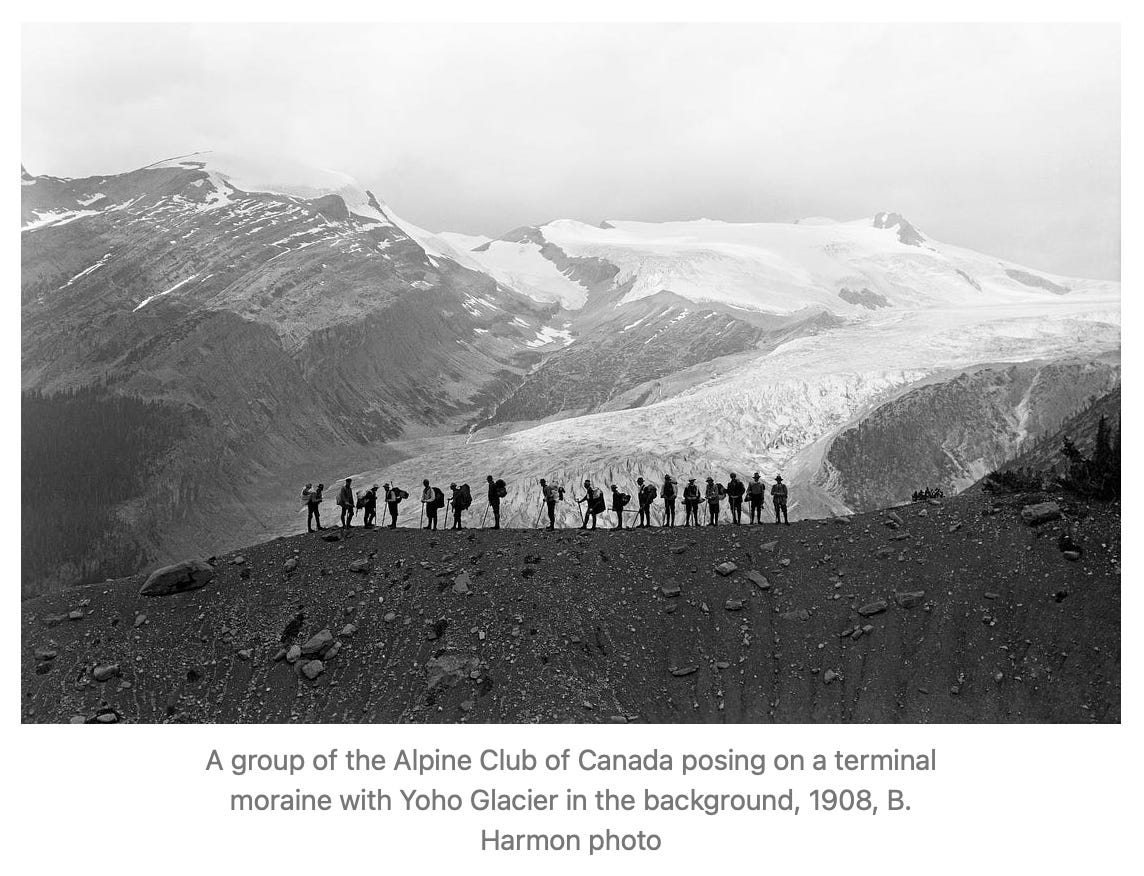
Fazlaunissa Carole Harmon is a longtime Canadian sufi, originating from Banff, Alberta, and one of our attendees over the years at the Rocky Mountain Lake O’Hara Sufi Camp with Hidayat Inayat Khan. Her grandfather was the famous mountain photographer, Byron Harmon. Carole tells stories that were documented in photos and film during the early 20th century by her grandfather. Have a look at Carole’s Substack for great stories of the Rockies.

Coming soon to SCC Chronicles:
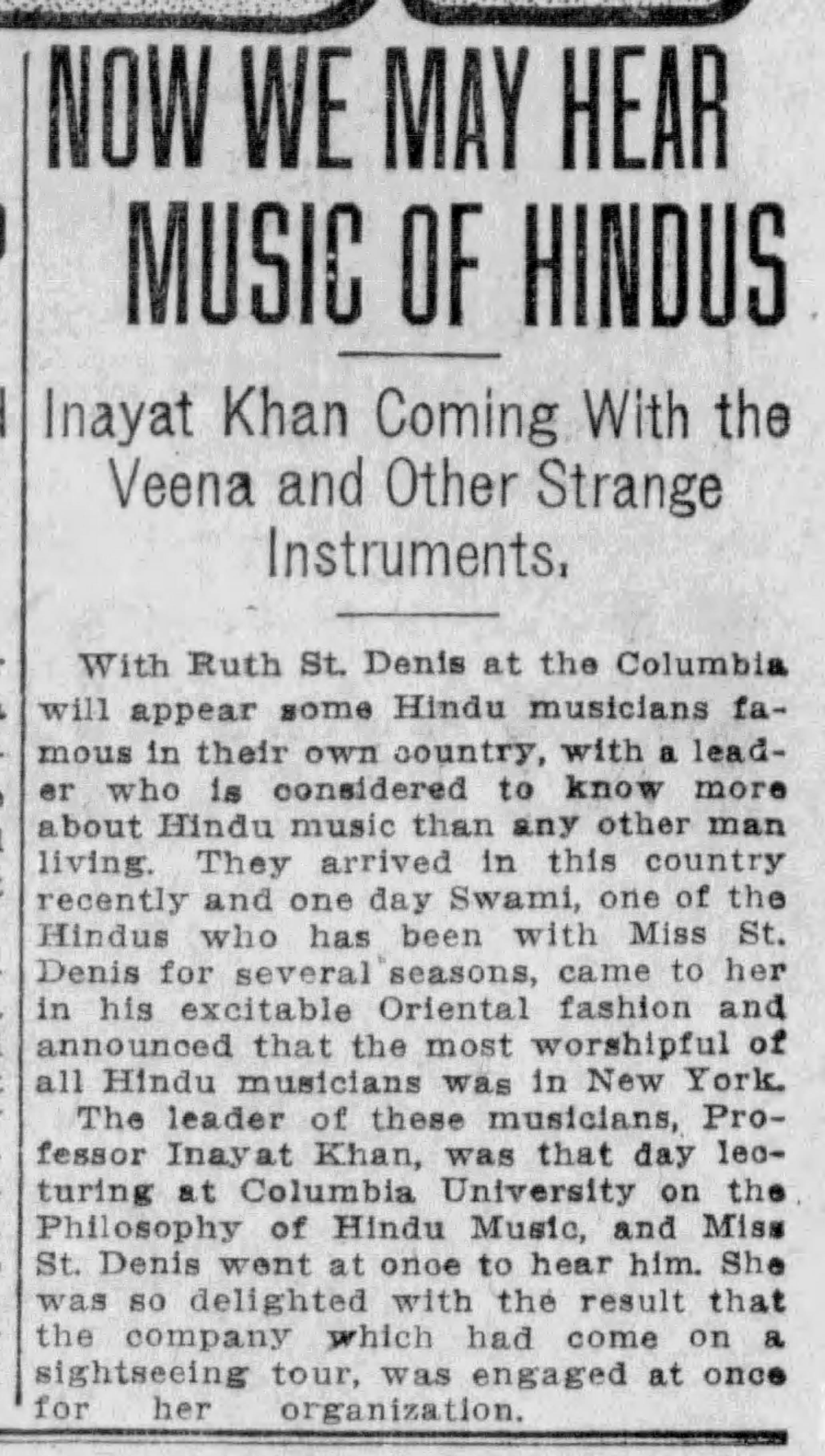
1911 – Inayat Khan’s First Year in the West, Part 1
A Story that unfolds in the American newspapers
Hello Ishqi. I'm glad you found us. I hope the stories of Inayat Khan and his Sufi Message are both informative and inspirational. Thanks for the link to your substack.
Thanks Carole. We like hearing back from our subscribers. Glad you are enjoying the content and the UPDATE section, where we feature news that will be of broad interest.