
Wazifas
Welcome to Sufi Circle Canada Chronicles, featuring new articles, and revisiting earlier pieces published in the Heart to Heart Newsletter.

Wazifas and the Accompanying Musical Compositions of Hidayat Inayat Khan
“Besides meditation, each talib (student) is given special instruction suited to his need, while journeying on the path toward Unity. One such form of instruction is the WAZIFA, or repetition of sacred phrases for various purposes.
If it be asked what is the purpose, it may be answered that as the purpose of all rain is to return to the ocean, so the purpose of every soul is to return to God. Some drops unite in Iittle streams, to flow down the river, which ultimately loses itself in the ocean. So the practice of each Wazifa maybe for some particular purpose, yet all these purposes unite just as the streams unite and finally come to their destination.” Complete Works of Pir-O-Murshid Inayat Khan, 1923 Volume 1

The repetition of wazifa chants has become a regular practice for me and one that is incorporated into the weekly virtual Sufi gatherings emanating from Edmonton, Alberta. I first experienced the wazifa practices while attending the Lake O’Hara annual retreats and we at Sufi Circle Canada have made a place for them on our website. Many of the wazifas are a repetition of the 99 Names of God. The wazifas we learned are all in the Arabic language. Why is that? Arabic is the language for wazifas that has been passed down by the Sufis for centuries. It is a very expressive and ancient language that serves the purposes of everyday communication and can also express the deepest concepts of Divine aspirations. Therefore, even outside the religion of Islam, it serves a universal purpose of spiritual expression.
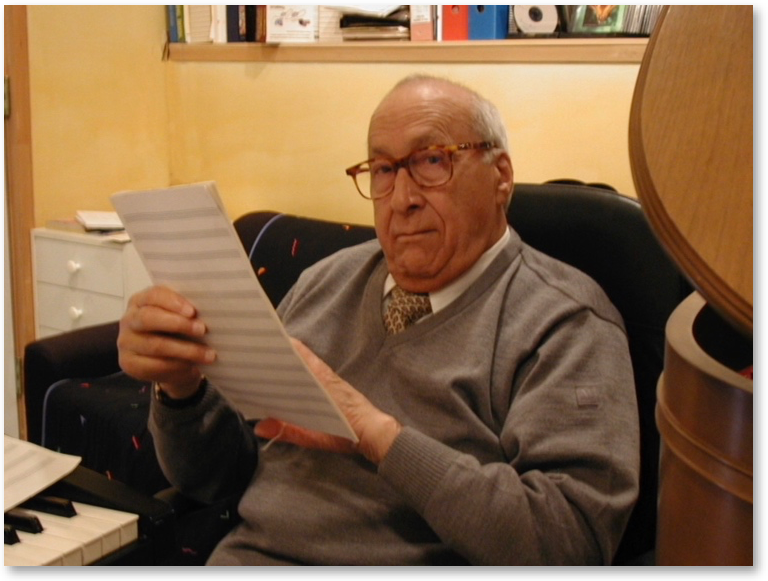
During the 23 years that Murshid Hidayat Inayat Khan attended the Canadian Lake O’Hara retreat, he composed musical accompaniment for 21 wazifas. Wazifa is both a meditation and a concentration experience based on the repetition of a sacred phrase. The compositions of Hidayat were prepared with the assistance of our Canadian brother Jelaluddin Gary Sill to provide recorded musical accompaniment to the wazifa phrases.

“…Sufis use Wazifas in purification, but the Sufi always recognizes God as the Perfection of Love, Harmony and Beauty, as the Perfection of alI qualities and as the Perfection of Perfections. If strength is needed, strength comes from God ; if love is required, God is love ; if one must perform Justice, God is Judge and Forgiver.” Complete Works of Pir-O-Murshid Inayat Khan, 1923 Volume 1 page 273

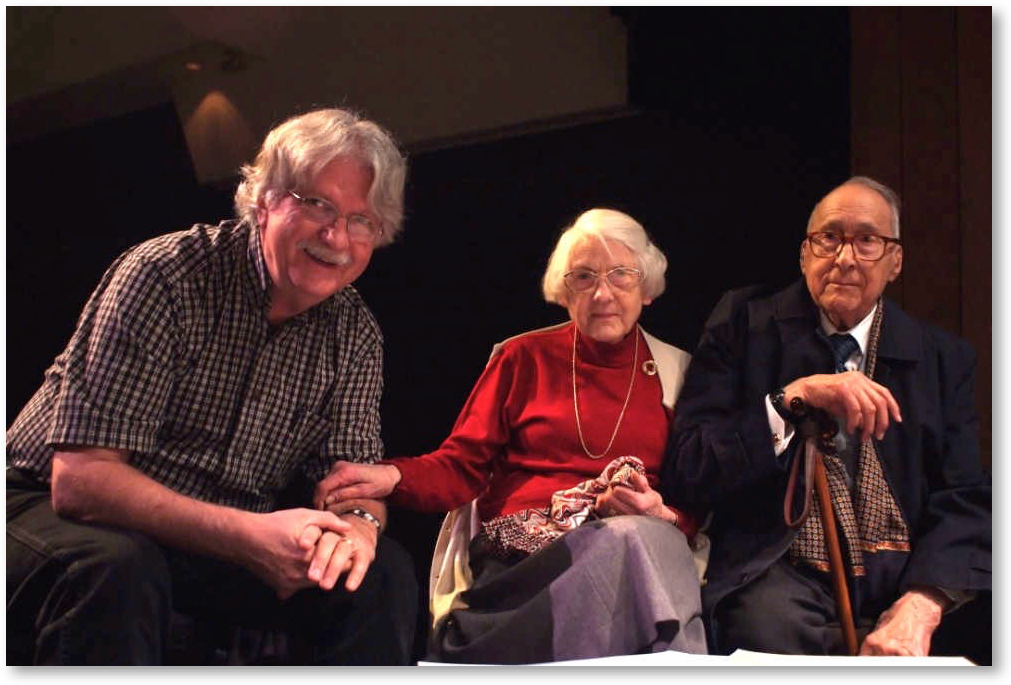
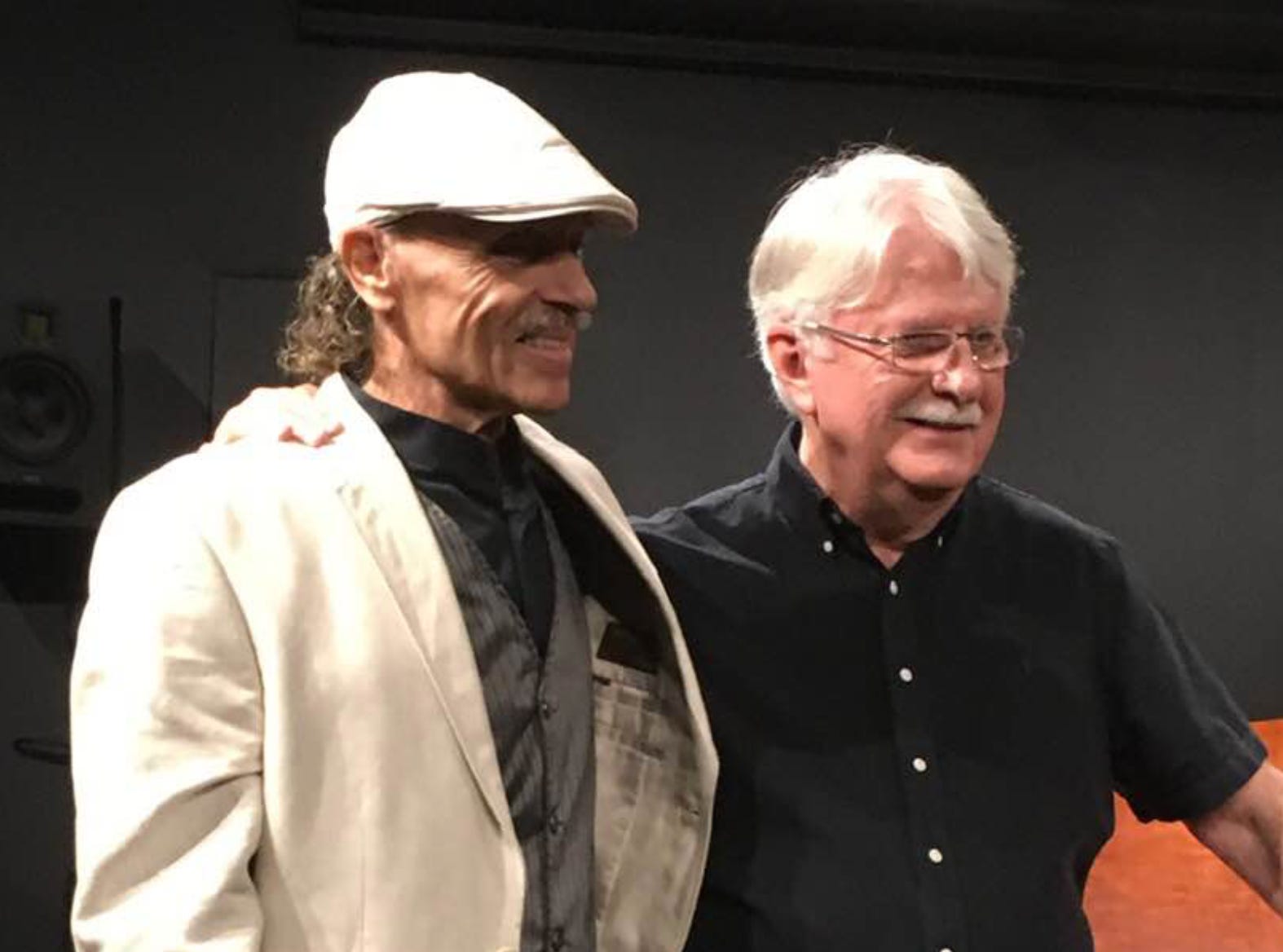
Hidayat and Jelaluddin in the Studio
To understand more deeply the story behind the wazifa compositions, I asked Jelaluddin to recall what it was like to work with Hidayat over the period of several years to prepare the compositions:
“Working with Hidayat over those many years to produce the existing collection of Wazifas was for me, an invaluable experience. Hidayat rarely spoke to me about esoteric matters directly, choosing instead to hint at things and as a result force me to do the heavy lifting myself.
Although he was so reluctant to talk about himself, he did tell me that his understanding of Wazifas, musically and philosophically, was very much informed by training he received as a child from his father and later on by his study of Indian raga. I believe I have his original manuscripts where he laboriously wrote out the scale tones for all the ragas that he studied which represents a collection of more than 100 musical notations.
He carried with him a constant awareness of Murshid and his composition teacher, Nadia Boulanger, and I don’t think it would be any exaggeration to say that his music, and especially the Wazifa miniature compositions, was a profound balancing of these two entities who were so important to his life.”
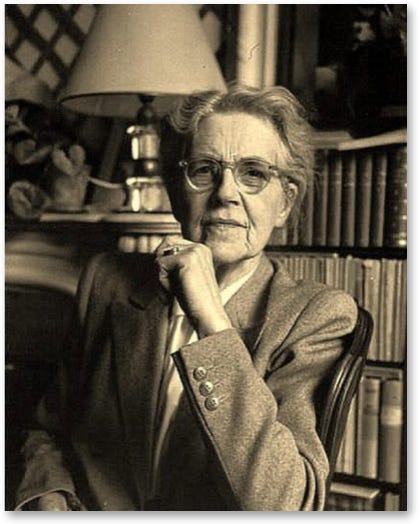
Nadia Boulanger: Mademoiselle (documentary 1977)
“I recognize in her mannerisms, her relationship with her students (and everybody was her student, even non-musicians), many of those abrupt but caring characteristics we associate with Hidayat. It was more than a little like being with Nadia Boulanger when working with Hidayat. And yes, there were moments when I felt that his father was in the room as well. This work only survived that intensity because we were able to concentrate on the practicality of the compositions.
A method of working evolved over the years. Hidayat would compose, send to me, then revise, revise, revise… This would be a single repetition of the scared phrase. If there were additional parts, they would be created along with the short musical idea that served as the “mother” part, or principal line.
He relied on me to watch that the vocal range would be accessible to untrained voices and in that I mostly prevailed although not always; a few of the Wazifas will only ever be fully performed by professional singers.
When Hidayat was satisfied with it, he would give it over to me to arrange. Sometimes a simple round (as in Ya Wahabo) would be all that was needed. Sometimes it was possible to just repeat the source phrase (Ya Razak). My goal was to do as little as possible to have a 10 to 12 minute finished chant.
Towards the end of work on the existing collection, Hidayat no longer trusted that he could hear well enough to ask for changes to the arrangements or to the balance of voices in the recordings. It seems he was happy to leave that to me.”
The Singers
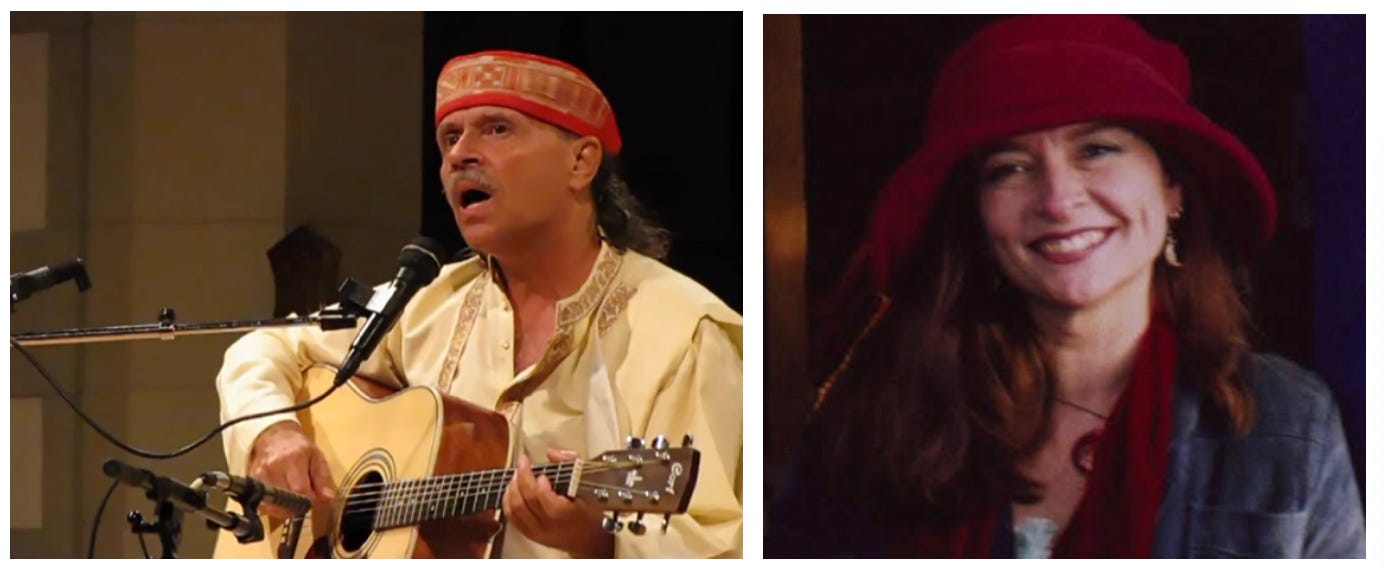
While Murshid Hidayat composed the wazifa accompaniments and Jelaluddin provided the musical arrangements and instrumentation, a tribute goes out to the singers whom Jelaluddin engaged to bring the wazifa chanted repetitions to life. Jelaluddin’s old musical friend Jerry DesVoignes provides the male voice. Clare Brett is the female voice.
Presentation at Dervish Coffee
Jelaluddin Sill gave this presentation on the Wazifas at the online Dervish Coffee program. See the video below or listen to the audio version only.
The Dervish Coffee program, conceived by Moinuddin Clarke, is a beautiful offering in the spirit of the Federation of the Sufi Message featuring different senior teachers from across the Inayati Family of Sufi Orders. It is free and open to anyone interested in the teaching of Hazrat Inayat Khan and Universal Sufism. East Coast: every Sunday, 9am EST. West Coast: 4th Saturday of every month, 9am PST. For more info, and links to all the Dervish Coffee Archives: Sufi Path of Awakening.
About Jelaluddin

Jelaluddin was introduced to Sufism by his first teacher and guide, Shamcher Bryn Beorse, a friend and student of Hazrat Inayat Khan. Through Shamcher, Jelaluddin met Hidayat Inayat-Khan, and their thirty-year friendship has deepened and directed Jelaluddin’s understanding and practice of music to the present. Discover more at his extensive music website HERE.
The main portion of this article was originally published in Heart to Heart, Spring 2022

We welcome your comments, questions, remembrances, and suggestions. Leave a comment and start the conversation.
As I mentioned in my note while sharing this- Fascinating exploration of musical settings for wazifa in contemporary fusion of esoteric disciplines in east and west - in the aegis of the great Hazrat Inayat Khan
Thank you 'Rose' for the comment. The wazifas are, indeed, a wonderful legacy of Inayat Khan's teachings. Arabic is an ancient language where the expression of Divine aspiration is so comfortable.